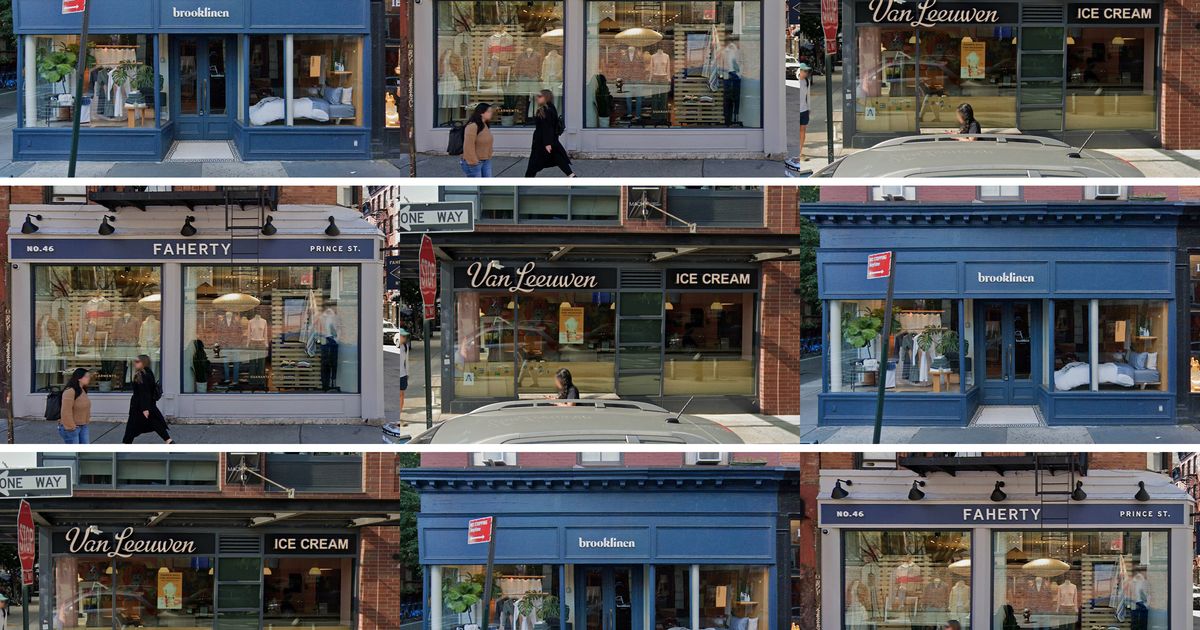
In recent years, a new trend has emerged in urban neighborhoods across the United States: the rise of 'Little Nolitas.' These small-scale districts, inspired by the trendy Nolita neighborhood in New York City, are characterized by their vibrant local culture, boutique shops, and unique community vibe.
Many cities are witnessing the development of these micro-neighborhoods as a response to the growing demand for authentic and walkable communities. Developers and local entrepreneurs are capitalizing on this trend by transforming underutilized areas into lively hubs that attract both residents and visitors.
The appeal of Little Nolitas lies in their ability to blend the charm of small-town life with the amenities of urban living. They often feature a mix of independent stores, cafes, art galleries, and cultural venues that foster a sense of community and individuality. This contrasts with the homogenization often seen in larger commercial districts dominated by chain stores.
Real estate experts note that the development of Little Nolitas can significantly boost local economies. Small businesses thrive in these environments, creating jobs and encouraging foot traffic that benefits surrounding areas. Moreover, residents appreciate the walkability and sense of belonging these neighborhoods offer, which can lead to increased property values and community engagement.
However, the growth of Little Nolitas also raises concerns about gentrification and affordability. As these neighborhoods become more popular, property prices tend to rise, potentially displacing long-time residents and small business owners. City planners and community leaders are tasked with balancing development with the preservation of neighborhood character and affordability.
Overall, the trend of creating Little Nolitas reflects a broader shift towards localized, community-focused urban development. As more cities embrace this model, it will be interesting to see how these neighborhoods evolve and influence the future of urban living.